Chiklita ad

Showing posts with label Protein. Show all posts

Wednesday, 14 February 2018

Protein that prevent cartilage damage


There may be a protein in the body that hinders cartilage degradation in patients with a torn anterior cruciate ligament (ACL). Lawrence Livermore National Laboratory (LLNL) scientists performed in vivo experiments on animal models of post traumatic osteoarthritis and found that sclerostin (a protein that in humans is encoded by the Sost gene), acts as a protective molecule immediately post joint injury to inhibit cartilage loss and joint calcification.

Patients with ACL ruptures are two times more likely to develop post traumatic osteoarthritis (PTOA). PTOA leads to reduced physical activity, deconditioning of the musculoskeletal system, and in severe cases, requires joint replacement to restore function. Administering sclerostin to injured joints would significantly slow down cartilage degradation post injury. The development of treatments that can be delivered to joints immediately post injury could provide attractive alternatives to surgery.

When joints were injured using a noninvasive technique that tears the anterior cruciate ligament in the knee, a protein, Sclerostin or Sost, which is normally not expressed in the articular cartilage, turned on immediately post injury (red; anti-Sost sntibody). This protein serves a protective role by slowing down cartilage degradation that normally occurs post injury.

To determine whether elevated levels of sclerostin play a protective role in PTOA, the team examined the progression of OA using a noninvasive tibial compression overload model developed by Dr. Blaine Christiansen at UC Davis."We found that the transgenic mice overexpressing SOST develop moderate OA and display significantly less advanced PTOA phenotypes at 16 weeks post injury compared to the control mice,"The transgenic mice built approximately 65 percent less osteophytes (a bony outgrowth that aims to stabilize the injured joint) than the control group.

The increased risk of developing knee OA after injury to the ACL has been well documented both clinically and in experimental models. Clinical manifestation of PTOA is characterized by narrowing of the joint space, emergence of osteophytes, cartilage erosion and fibrillation. Biomechanical disturbances in the joint, such as lateral dislocation of the tibia, further the development of osteophytes in the lateral tibial-femoral compartment and cause misalignment, rotation and anterior dislocation of the joint; all these physical manifestations contribute to the emergence of intra-articular lesions.

 Cartilage lesions become further exacerbated through molecular changes in the joint, including the increase in the production of matrix-degrading enzymes, such as aggrecanases and metalloproteinases (MMPs). Elevated levels of these enzymes enhance the loss of articular cartilage, increase the amount of pain experienced and lead to impaired joint mobility in more than 50 percent of individuals that sustained an ACL tear.

In addition to changes in joint architecture and uneven biomechanical load distribution in the knee after an ACL tear, the individual can experience inflammatory responses, enzymatic cartilage destruction and osteophyte formation that will determine subsequent osteoarthritic results. Elevated levels of sclerostin, immediately post injury, can aid the joint in maintaining its articular cartilage integrity in PTOA.
           haleplushearty.blogspot.com

Tuesday, 6 February 2018

HIV vaccine production


Research on HIV over the past decade has led to many promising ideas for vaccines to prevent infection by the AIDS virus, but very few candidate vaccines have been tested in clinical trials. One reason for this is the technical difficulty of manufacturing vaccines based on the envelope proteins of the virus, according to Phil Berman, who led development of a major component of the only vaccine to have shown any efficacy against HIV in a clinical trial.

Berman, the Baskin Professor of Biomolecular Engineering at UC Santa Cruz, has now developed new methods for the production of HIV vaccines. His approach solves major technical problems which have bedeviled the field. Berman described the new methods, and the candidate vaccines his lab has produced.

Researcher was able to use robotics to shorten the time required to produce stable cell lines, needed to make the proteins for a vaccine, while at the same time greatly increasing how much of the protein the cell lines can produce. The improved yield makes it possible to reduce the size of the bioreactor needed to make vaccine for large clinical trials—from 200- to 10,000-liter vessels to 50- or 100-liter vessels—resulting in tremendous savings in the equipment required and cost of materials.

They were  able to create cell lines that make HIV envelope proteins with the right kind of carbohydrate components (called glycans) needed for an effective immune response. The carbohydrates attached to the protein are really important, something no one realized until recently. The conventional way of making these envelope protein vaccines incorporated the wrong kind of carbohydrates.

Cell lines derived from Chinese hamster ovary (CHO) cells are the industry standard used to produce complex recombinant proteins for therapeutic use. These cells are also useful for the production of HIV vaccines. The gene for the desired protein is transferred into CHO cells in a process called transfection, and tens of thousands of transfected cells are screened to find the few rare cells that produce large amounts of the protein. The best cell lines are grown in large batches, in a process similar to yeast fermentation for making beer, and the proteins are then isolated and purified.

Berman's lab developed a new robotic method to isolate high-producing cell lines making HIV envelope proteins. This shortened the time required to produce stable cell lines from 18 to 24 months to just 2 or 3 months, while increasing yields by a factor of 100 to 200. Those improvements are in comparison with Berman's previous experience creating the AIDSVAX vaccine, first at Genentech and then at VaxGen.

Fluorescent antibodies were used to label the HIV gp120 protein and identify high-producing cell lines. Credit: Phil Berman, UCSC. AIDSVAX was one component of an experimental vaccine regimen used in a large-scale clinical trial known as RV144, which showed 31 percent efficacy in preventing new HIV infections. The RV144 results showed that protection was correlated with antibodies to a certain segment of an HIV envelope protein called gp120.

 The original AIDSVAX vaccine had the completely wrong type of carbohydrate, and that we might improve the level of protection if we could find a way to make it with the proper type of carbohydrate. They set out to create a cell line that can produce the unusual glycans found on HIV envelope proteins rather than the complex glycans CHO cells normally produce. This was made possible by the powerful new gene editing technology known as CRISPR/Cas9.

 They used CRISPR to create a new cell line they called MGAT CHO, which produces proteins lacking complex glycans containing sialic acid and enriched for the simple "high mannose" type found on HIV envelope proteins. An unexpected benefit of this new cell line was that it enabled a simpler, less expensive process for recovering and purifying the proteins.

Carbohydrates may not be immunogenic, but HIV turns out that the most important antibodies are directed to carbohydrate. It leads to an improved version of the vaccine used in the RV144 trial. Berman's lab currently has two cell lines he said are ready to start producing vaccines on a large scale. He is now looking for partners and funding to bring them into clinical trials. Researchers have continued to use the AIDSVAX vaccine in clinical studies because it has been so hard to make new HIV vaccines.
         haleplushearty.blogspot.com

Tuesday, 9 January 2018

Severe obesity linked to gene mutations


Researchers have discovered mutations in a gene related to obesity, offering new treatment possibilities in the fight against the global epidemic. The new study, led by Imperial College London  focused on children suffering from obesity in Pakistan, where genetic links to obesity had been previously identified by the team in about 30% of cases.

This link of genes to obesity is due to recessive mutations that are more likely to be inherited and passed on to children in a region like Pakistan because of the high level of consanguinity (inter-family relationships) in its population. This is because parents who are closely related are more likely to be carrying the same mutation, so a child may inherit from both sides, causing the mutation to take effect.

This new study used genome sequencing and found mutations in one specific gene related to obesity: adenylate cyclase 3 (ADCY3). When mutations occur in ADCY3, the protein it codes for forms abnormally and doesn't function properly. This leads to abnormalities relating to appetite control, diabetes, and even sense of smell.

Early studies into ADCY3 tested mice that were bred to lack that gene, found that these animals were obese and also lacked the ability to smell, known as anosmia. When we tested our patients, we found that they also had anosmia, again showing a link to mutations in ADCY3.

ADCY3 is thought to impact a system that links the hypothalamus to the production of hormones that regulate a wide variety of biological functions, including appetite. This research also found a link between ADCY3 mutations and obesity, a
          haleplushearty.blogspot.com

Friday, 5 January 2018

Novel compound for Melanoma cells


An international team of researchers has developed a novel compound that successfully inhibits growth of melanoma cells by targeting specific epigenetic modifying proteins in these cells. In the human body cells turn genes on and off by means of chemical modifications that change DNA and related proteins. These epigenetic changes are continuous and are at the core of how healthy cells transform into cancer cells.

These modifications contribute to a tumor's ability to grow indefinitely, as well as making tumor cells drug resistant and capable of surviving treatments intended to kill them. The new compound, Corin, specifically targets these epigenetic changes in cells and could therefore provide significant improvements in patients without unwanted side effects.

Currently there are few epigenetic drugs in clinical use, including histone deacetylase (HDAC 1) inhibitors, which are used to treat some lymphomas and histone demethylase inhibitors (LSD1) which are used to treat some leukemias. These reagents have not been more broadly useful in cancers due to their limited therapeutic window and untoward side effects.

Researchers at Boston University School of Medicine, Johns Hopkins University and Universiita di Pavia, Harvard Medical School and the University of Leicester collaborated to develop a unique compound, Corin that specifically act to inhibit both demethylase an deacetylase activity in cells. Corin is particularly attractive as an inhibitor of epigenetic modifications because it has dual-target specificity which allows for more selective targeting of epigenetic complexes in treated cells.

It is anticipated that this novel compound will have significant efficacy in human melanomas and other cancers either as a stand-alone therapy or in combination with other targeted or immune-based therapies.To evaluate the efficacy of this new compound, the researchers first tested it using a cell culture system to evaluate melanoma cell biology in vitro and found a variety of cancer-associated processes were affected, including cellular growth, differentiation and migration.

The compound then was tested in an experimental model for melanoma and found to significantly inhibit tumor cell growth without appreciable toxicities. The researchers believe there are other disease entities, apart from cancers, that may be significantly affected by targeted epigenetic therapies. Most notably, immune-mediated diseases are expected to be significantly influenced by such reagents as epigenetic changes have been widely noted to influence the immune system.
          haleplushearty.blogspot.com

Tuesday, 2 January 2018

Are you tired of being tired? Eat these


Are you tired all the time? if yes your level of iron may be low, you can eat the following foods to regain your strength. Egg yolk is a great source of iron. It is needed for production of haemoglobin, the protein in the red blood cells that transports oxygen around the body to produce energy in the muscles, tissues and cells.

A deficiency in iron can lead to a type of anaemia that will leave you feeling drained and weak. This tends to be more common in women, especially if they experience heavy blood loss during menstruation. Eat more of venison than beef, as it contains twice as much iron. Eating Vitamin C-rich foods with plant sources of iron, such as red peppers with tofu or green salad with lentil bake can enhance absorption.

 Brown rice is a good source of fibre-rich complex carbohydrate, eat it regularly with five different fruits and vegetables. Leafy greens such as spinach are packed with magnesium, which makes this a glass of pure energy. If you're low in this mineral, as many people are, you'll feel absolutely drained. Magnesium activates the enzymes that starts energy-production process in the body.

Sardines, salmon, tuna,meat and egg are excellent sources of Vitamin B12. All B vitamins play a crucial part in the supporting our energy levels. B12 works in partnership with folate (Vitamin B9) to form red blood cells and to enhance the absorption of iron in the body. Avoid refined sugar, alcohol, and processed foods. Stay hydrated- water transport nutrients and oxygen around the body in order to support energy production. Dehydration can reduce your energy  and cause fatigue.
           haleplushearty.blogspot.com

Monday, 1 January 2018

Egg cells can remain fresh with epigenetics


Keeping egg cells in stasis during childhood is a key part of female fertility. A team led by Dr Gavin Kelsey in the Babraham Institute and colleagues in Dresden and Munich studied a protein called MLL2 and discovered how it produces a distinctive pattern of epigenetic marks that are needed for egg cell stasis. A fertilised egg cell is the start of every human life. Yet, egg cells are created inside a woman's body before she is birth.

The eggs are then kept in stasis throughout childhood until they're needed as an adult. If egg cells don't go into stasis they can't become mature eggs and they will never have the chance to form a new life. Putting an egg cell into stasis involves adding many epigenetic marks throughout its DNA.
Epigenetic marks attached to DNA act as footnotes, indicating which genes are turned 'on' or 'off'.  The team had to create new, highly sensitive ways to detect epigenetic marks in such small numbers of cells.

As eggs develop, a mark called H3K4me3 spreads throughout the genome. Scientists have already seen the same mark close to the start of active genes in many cells, but the team discovered that its role in egg cells is different. They showed that the MLL2 protein is responsible for this unusual placement of H3K4me3 in egg cells.

Without MLL2, most H3K4me3 marks in egg cells are lost and the cells die before getting the chance to form a new life. H3K4me3 is created in two ways. MLL2 can add the H3K4me3 mark without any nearby gene activity while another process, that doesn't use MLL2, places the same mark around active genes .
          haleplushearty.blogspot.com     

Sunday, 31 December 2017

Ebola virus inhibited in cell cultures


When the Ebola virus enters the human cell, its only purpose is to copy itself, fast. First it must copy all its proteins, then its genetic material. But by inhibiting a specific enzyme we rob the Ebola virus of its ability to copy itself. And that may potentially prevent an Ebola infection from spreading.

When Ebola virus ravaged West Africa, where thousands of people died from the extremely infectious Ebola infection. Once you are infected, all you can do is hope that your own immune system is able to kill the infection, because there is no treatment for Ebola presently.

However, the researchers behind the new study have found what is called a new host factor for Ebola virus. It can be described as a small part of the host's-for example the human body's-own cells, which the Ebola virus uses to copy itself and produce more infection. The virus uses the host factor enzyme PP2A-B56 to start producing proteins. So if the researchers switch off PP2A-B56, the virus' ability to copy itself and produce more infection is never 'switched on.

When we inhibit the PP2A-B56 enzyme, we remove the first link in a long process, which ends with Ebola spreading. The Ebola infection in cell cultures where we have inhibited the PP2A-B56 enzyme is 10 times smaller after 24 hours compared to infections where we have not inhibited this enzyme. But because the researchers have so far focused on cell cultures, there is still work to be done before their results can be used to treat people infected with Ebola.

 Initially the researchers hope to be able to test it on animals and, in the long term, develop a drug that inhibits the relevant enzyme.The potential of the new discovery may turn out to work on other viruses too, because the structure of Ebola virus is very similar to the other filoviruses.
          haleplushearty.blogspot.com

Tuesday, 12 December 2017

Urea in the brain causes dementia


 The build-up of urea in the brain to toxic levels can cause brain damage - and eventually dementia. Metabolic linkages between Huntington's, other neurodegenerative diseases and type-2 diabetes. Huntington's Disease - one of seven major types of age-related dementia - is directly linked to brain urea levels and metabolic processes. Urea is similarly linked to Alzheimer's disease.

The Huntington's study also showed that the high urea levels occurred before dementia sets in, which could help doctors to one day diagnose and even treat dementia, well in advance of its onset. Urea and ammonia in the brain are metabolic breakdown products of protein. Urea is more commonly known as a compound which is excreted from the body in urine. If urea and ammonia build up in the body because the kidneys are unable to eliminate them, for example, serious symptoms can result.

Alzheimer's and Huntington's are at opposite ends of the dementia spectrum. Dementia results in a progressive and irreversible loss of nerve cells and brain functioning, causing loss of memory and cognitive impairments affecting the ability to learn. Currently, there is no cure.

The team used human brains, donated by families for medical research, using cutting-edge gas chromatography mass spectrometry to measure brain urea levels. For levels to be toxic urea must rise 4-fold or higher than in the normal brain. Treating this metabolic state in the brain may help in the regeneration of tissue that can reverse dementia.
          haleplushearty.blogspot.com

Monday, 4 December 2017

Intense workout can improve memory


The latest study showed that six weeks of 20-minute bouts of interval training led to significant improvements in high-interference memory. Researchers discovered that these workouts led to increases in a protein involved in the growth, function and survival of brain cells.

Intense workout could reduce the rates of Alzheimer's disease and other types of dementia, improvements in this type of memory from exercise might help to explain the previously established link between aerobic exercise and better academic performance. Intense workout prevents memory impairment brought on by conditions such as dementia.
          haleplushearty.blogspot.com
Wednesday, 29 November 2017

Diabetes has hepatic origins


Obesity increases the risk of developing metabolic conditions, and primarily type 2 diabetes. The molecular mechanisms by which obesity predisposes people to the development of insulin resistance are so far poorly understood. By deciphering how the protein PTPR-γ, which is increased in obesity, inhibits insulin receptors located at the surface of liver cells, the scientists open the door to potential news therapeutic strategies.

The expansion of fat cells, a characteristic of obesity, leads to an increase in inflammatory signals that have effects on the liver as well as on several other organs. Obesity-induced inflammation triggers the activation of a transcription factor called NF-kβ, which seems to be instrumental in the development of diabetes. Researchers examined various human cohorts-these human studies indicated that PTPR-γ content in liver increases upon inflammation, an effect that could directly affect insulin receptors by inhibiting insulin action.

The scientists modified the levels of PTPR-γ expression in mice, by either suppressing, normally expressing or overexpressing it, and observed the effect on insulin resistance. The mice totally lacking PTPR-γ, when put on a high-calorie diet, did develop obesity. But they did not show any sign of insulin resistance and seemed to be entirely protected from diet-induced diabetes. They also administered lipopolysaccharide, a toxin pertaining to certain bacteria of the gut microbiota associated with obesity and insulin resistance. Once again, the animals lacking PTPR-γ did not develop insulin resistance.

They reconstituted the expression of PTPR-γ at normal levels, but only in hepatocytes (liver cells ). The mice were again prone to insulin resistance, indicating the pivotal role of the liver. Moreover, a two-fold overexpression in the liver (mimicking the natural pathophysiology of obesity was sufficient to cause insulin resistance. The metabolic functions of this protein were never characterized; this discovery therefore opens the door for potential new therapies.

The very form of this protein allows for potential inhibition strategies: when two independent PTPR-γ molecules are brought together by a ligand, they cannot act any more. The researchers are now working on identifying the endogenous ligand produced by the body, or on developing molecules that could mimic its function.
           haleplushearty.blogspot.com

Sunday, 15 October 2017

Effects of father's diet on fetus


Father's diet before conception can impact newborn's health, low carbohydrate and high protein diet can make the fetus healthy. Experiments were performed on fruit flies and the results showed offspring were less likely to survive if their fathers consumed a poor diet of high carbohydrates and low protein.

The insects were used because they have 60 percent of human genes.
Researchers mated male fruit flies with females after they altered their diet.
Since fruit flies share similar genes to that of humans, the researchers believe the impacts of the bugs' diet would correlate with that of men.

The study claims that men who want to become fathers should have a diet consisting of fish, meat, vegetables and fruit while cutting out pasta, rice and white bread. Sugary foods such as sweets, cakes and biscuits should be avoided. Exposure to toxins can be passed from the father to his offspring through his semen. During the experiment, female fruit flies were fed the same diet while males had different ones consisting of yeast and sugars.

The insects ate different foods, from low to high concentrations of proteins, carbohydrates and calories. After some days the males were mated with two females. The results showed that embryos were more likely to survive if they had a father with a high protein and low carbohydrates diet. Mortality was highest for offspring of males given a high carbohydrate, low protein diet. Researchers also found a connection between the male's body condition and his offspring's mortality.
          haleplushearty.blogspot.com

Thursday, 24 August 2017

How belly fat increases the risk of cancer


Protein released from fat in the body can change a non-cancerous cell into a cancerous one. The lower layer of abdominal fat is responsible for releasing the protein and increasing tumour growth.

Obesity has been linked to several types of cancers including breast, colon, prostate, uterine and kidney. Abdominal obesity and levels of a protein called fibroblast growth factor-2 may be an indicator of cells becoming cancerous.

There are two layers of belly fat: the top layer, known as subcutaneous fat, lies right under the skin, the layer under that, called visceral fat is harmful and cancerous. High fat diet produce larger amounts of the fibroblast growth factor-2, FGF2, protein when compared to the subcutaneous fat.

FGF2 stimulated certain cells that were already vulnerable to the protein and caused them to grow into tumours. When fat secretions have more of the FGF2 protein, more of the cells formed cancerous tumours.

Humans can make a non-tumorigenic cell malignantly change into a tumorigenic cell by eating high fatty foods. Healthy lifestyle, eating fruits and vegetables, regular exercise, avoiding smoking and drinking of alcohol can prevents fat belly and reduce risk of developing cancer.
          haleplushearty.blogspot.com

Wednesday, 23 August 2017

Vitamin B increases the risk of lungs cancer


According to a new study, high-dose and long-term use of vitamins B12, B6 and smoking increase the risk of lung cancer. Using high dose of vitamin B6 and B12 may leads to development of lungs cancer.

Researchers analyzed data from some patients and evaluate vitamin and other mineral supplements in relation to cancer risk. They discovered that men who take high-dose of vitamin B6 and B12 supplements for a decade had higher risks for developing lung cancer.

Human body needs vitamins B6 and B12 to ensure red blood cells are healthy and to process proteins, fat and carbohydrate. Foods rich in vitamin B are: meat, fish, cheese, eggs and milk, and fortified cereals.

 Some vitamin B supplements contained doses which were higher than the daily recommended amount, eating foods rich in vitamin B is enough for vitamins required. The discovery shows that taking high doses of B6 and B12 for a long period of time could increase the risk of developing lung cancer.
          haleplushearty.blogspot.com

Monday, 21 August 2017

Bacteria may boost athletic performance


Bacteria in the digestive tract can boost performance of athletes. The bugs in our gut affect our energy metabolism, making it easier to break down carbohydrates, protein and fiber. They are also involved in inflammation and neurological function.

The microbiome could be relevant for applications in endurance, recovery and mental toughness. Researchers collected fecal samples on a daily basis from athletes training for marathon, a week before and after the race. The researchers sequenced the genomes of the sampled bacteria, using computational metagenomic methods to figure out how many and what types of microbes inhabited the fecal samples.

 When they compared the pre-race and post-race samples, the researchers found a sudden spike in the population of one particular type of bacteria after the marathon. This bug's natural function is to break down lactic acid. During intense exercise, the body produces more lactic acid than usual, which can lead to muscle fatigue and soreness.

Researchers discovered that the bug is very good at breaking down lactic acid in a test tube and remains viable after it passes through the digestive system of mice. The researchers are now feeding the bacteria to mice to measure its effects on lactic acid levels and fatigue.
This leads to discovery of a bacteria in ultramarathoners that can break carbohydrates and fiber which is useful during a 100-mile.
          haleplushearty.blogspot.com

Monday, 7 August 2017

Killer peptide for killing cancer cells


Death of therapy sensitive cancer cells leads to the release of a killer peptide that can eliminate therapy resistant cells. Tumor relapse is a problem after cancer treatment, because primary tumor cells always contain therapy resistance cancer cells that continue to proliferate after the therapy-sensitive cells have been removed.

A Par-4 amino-terminal fragment PAF that is released by diverse therapy-sensitive cancer cells after therapy-induced cleavage of the tumor suppressor Par-4 protein. PAF caused death in cancer cells resistant to therapy and prevented metastatic tumor growth.

Naturally generated PAF could potentially be harnessed to target cancer cells to overcome metastasis and therapy resistance in tumors. The PAF entered only cancer cells, not normal cells, keeping healthy tissue alive.

The use of sensitive cells in the tumor to release this peptide to destroy the resistant cells will be a good method in killing cancer cells. PAF development is a good method against therapy resistant tumor metastasis because there is no other treatment option for it.
           haleplushearty.blogspot.com

Friday, 4 August 2017

Eating protein three times in a day maintains muscle strength


Human organs, tissues, muscles and hormones are made from proteins, the protein in foods is used by every part of the body for proper development.

Eating protein three times in a day could maintain muscle strength in old age. Frequently eating foods rich in protein is linked to improved mobility in elderly men.

Breaking down of protein occurs rapidly in older people, adding protein to every meal of the day stimulate muscle building and strength. It also replace protein loss due to breakdown.

Muscle protein is constantly being broken down and built back in older people, eating protein throughout the day balance the protein levels in the body.

Eating enough protein is necessary to build and maintain healthy muscle mass, protein is important for bodybuilding. Foods rich in protein are: egg, beans, fish, lentils, yogurt, milk, chicken, turkey, beef, nuts and seeds.
          haleplushearty.blogspot.com

Monday, 10 July 2017

Common weight-loss mistakes


Lossing weight and maintaining a healthy weight have nothing to do with eating less or fasting. Eating the right food is the key to weight loss.

Avoid foods that have additives, artificial sweeteners and preservatives. Putting the right foods on your plate prevent counting of calories and measuring food. Over processed foods will increase your weight, avoid it.

Combining different foods will aids your goal of weight loss faster than eating a particular food. Plan to remain healthy while trying to loose weight.

 Nuts are good for weight loss, oleic acid in nuts prevent cravings for extra plates of food, grapefruit reduces insulin levels: the lower your insulin levels, the lower your appetite for food.

Eat variety of fruits and vegetables, healthy proteins for muscle mass and reduction of appetite, low calories carbohydrates, drink enough water and engaging in regular physical activities.
          haleplushearty.blogspot.com

Friday, 7 July 2017

New method of fighting malaria


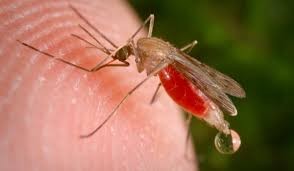
Malaria parasites attack red blood cells and form an internal section where they multiply many times before infecting more cells. The parasites have to break through the internal section and the cell membrane by using different protein and enzymes to prevent coming in contact with red blood cells.

Interrupting the protein lowers the capacity of the parasite, prevents escape and reduces the rate of infection. The parasite in its internal section inside the cell are surrounded by proteins - SERA5 protein.

Researchers knock out the protein using genetic tools, the gene is responsible for production of  SERA5 protein in malaria parasites. They found that the parasites broke through the membranes faster than normal but many got stuck on their way when tested under microscope. It shows that they may not attack other red blood cells.
Malaria parasites can not survive for long outside red blood cells, so if they are prevented from getting to red blood cells  while trying to escape, they might die before they have a chance to infect another cell.

Malaria parasites without SERA5 protein were not as strong as normal parasites with the protein while escaping and infecting new cells.
Researchers are planning to use SERA5 or one of the enzymes to produce an antimalarials drug.
         haleplushearty.blogspot.com

Friday, 30 June 2017

Alzheimer's gene and poor diet increase the risk of developing the disease


Alzheimer’s gene and diet rich in fat and sugar can increase the risk of developing the disease.
ApoE4 gene that affects memory is the major cause of Alzheimer's disease.

Genes, diet, environment and lifestyle determine risk of developing any disease including Alzheimer's disease.
ApoE4 and ApoE3 are two variants of a gene that codes for a protein, apolipoprotein E, which combine fat and cholesterol and take them to the body’s lymphatic and circulatory systems and to the brain.
The ApoE4 causes an inflammation, Alzheimer’s diseases and cardiovascular disease while ApoE3 does not increase risk of the disease. ApoE4 is present in about fifteen percent of people. Alzheimer’s affects more women than men.

Fatty acids like palmitic acid can cause inflammation in the brain because they can go into the brain and affect glia. Glia is responsible for immune response in the brain, poor diet can make it less effective in protecting the brain.

          haleplushearty.blogspot.com

Early diagnosis of autism spectrum disorder


Neurodevelopmental disorder is identified by difficulty in communication, social interactions, behavior and repetitive patterns of behavior.

Measuring some proteins called potential markers in the blood may enable early diagnosis of autism spectrum disorder (ASD).

These proteins could help in accurate diagnosis of the disorder in children.
ASD is a heterogeneous disorder, getting the biomaker of the patients can help in early diagnosis and reduce the effects of the disorder in children affected.

Measuring brain growth before the first 500 days can reduce the effects of the disorder and it will enables early diagnosis.

Waiting for the characteristics of the disorder may be too late before diagnosis to correct the effects of neurodevelopmental disorder in children.
          haleplushearty.blogspot.com