Chiklita ad
Showing posts with label Human body. Show all posts
Friday, 9 February 2018
Molecule could prevent prediabetes
Levels of CoQ and the presence of insulin resistance were analysed in a range of experimental laboratory settings, mouse models and samples from humans, as part of an ambitious research collaboration conducted with the University of Sydney, Victor Chang Cardiac Research Institute, Duke University School of Medicine, Garvan Institute of Medical Research, Genentech Inc. and the University of New South Wales.
Concentrations of CoQ were found to be lower in insulin resistant body fat and muscle tissue. When the researchers replenished CoQ, insulin resistance or pre-diabetes was reversed. Co-author Dr Daniel Fazakerley from the University of Sydney's School of Life and Environmental Science and Charles Perkins Centre said CoQ provides a vital role in converting nutrients like fat and sugar into usable energy.
CoQ is found in mitochondria, the power plants in the cells of human body, where it is required for the flow of electricity to the cell's 'motor' which is responsible for energy production. Energy production can also generate reactive chemical species-often referred to as 'reactive oxygen species' or 'oxidants' as by-products, which can be damaging to cells. Previous studies have shown that these oxidants can cause insulin resistance. Our study has found that lower mitochondrial CoQ enhanced oxidant formation by mitochondria.
Replenishing CoQ in mitochondria, either in cells or in animals, we were able to restore 'normal' mitochondrial oxidants and reverse insulin resistance. Eating a high fat, high sugar diet has long been known to be a major risk factor for obesity and pre-diabetes. Replenishing CoQ could prove an invaluable preventive measure for insulin resistance- or pre-diabetes-linked diseases such as type 2 diabetes, cardiovascular disease, cancers and dementia.
However, oral CoQ supplements may not effectively restore mitochondrial CoQ due to its low absorption. The research has provided an impetus to find alternate means of increasing CoQ in mitochondria to treat insulin resistance and pre-diabetes. If not an external supplement, perhaps we can stimulate the body to form more of the coenzyme itself.
haleplushearty.blogspot.com
Tuesday, 30 January 2018
How intestine repairs itself
Researchers at Baylor College of Medicine, Johns Hopkins University School of Medicine and the University of California, San Francisco have gained new insights into how the small intestine, one of the fastest renewing tissues in the human body, repairs itself after injury caused by intestinal rotavirus infection. Their findings have led them to propose that, contrary to the current thinking, how the intestine repairs itself seems to depend on the type of damage, and they found that triggers that were previously thought to be unimportant are actually essential for repairing virus-caused injury.
They studied different damage model, damage caused by rotavirus, a common small intestinal viral infection that affects young children. Repair and turnover of the epithelium, the most external cellular layer of the small intestine responsible for absorption of nutrients and other functions, depend on the intestinal stem cells, regardless of the cause of the damage. There are two types of intestinal stem cells: CBCs (crypt-based columnar cells) and reserve intestinal stem cells. The type of injuries studied until now damages the highly proliferative CBCs, and when these stem cells are destroyed, the reserve intestinal stem cells respond to restore the damage. The response to injury caused by rotavirus, however, is different.
Rotavirus is an infection and has a very specific damage pattern, the virus specifically infects epithelial cells, but not the stem cells. The first finding refers to the type of stem cell involved in the repair of the epithelial cells damaged by the virus. Previous studies had shown that when CBC stem cells are damaged, the reserve stem cells come to their rescue leading the reconstitution of the damaged epithelium. When rotavirus damages the epithelium, but not the stem cells, the CBCs, not the reserve stem cells, are the primary cell type involved in the restoration of the intestinal epithelium.
CBCs were not considered important for the repair of intestinal epithelium, but the results show that they are crucial for injury repair after rotavirus-induced epithelial cell damage in contrast to previous studies supporting the reserve intestinal stem cells as the cell type involved in epithelial restitution. The second finding refers to the source of the signaling molecules-called WNTs that trigger the growth and activation of stem cells leading to injury repair. Scientists have described two sources of WNT molecules, epithelial cells and mesenchymal cells. Epithelial WNT molecules were essential to signal the stem cells to repair the damage caused by rotavirus infection.
haleplushearty.blogspot.com
Thursday, 16 November 2017
How to boost your energy
There are some simple habits we can build into our daily lives which can have a positive impact on our energy levels and overall health, the power of routine-especially when it comes to eating healthily, through meal planning and getting regular exercise can boost energy.
Many people will suffer with insomnia at some point, but making small tweaks to night-time routine could be all it takes to sort out sleep pattern. Human have a master 'body clock' in our brains - also known as the circadian rhythm - that helps us maintain a 24-hour sleep-wake cycle. Disturbing this sleep-wake cycle can expand waist lines and make human prone to illnesses such as diabetes and heart disease.
One of the hormones that can affect human body clock is melatonin. Blue light, emitted from digital devices, lowers melatonin levels and disrupts sleep, people who wore short wavelength-blocking glasses for three hours before bedtime for two weeks had increase night-time melatonin levels. Limiting screen time, applying screen filters or wearing glasses that block blue light improve night sleep. Watching screens from phones and tablets late in the evening boosts alertness and plays havoc with human internal body clock.
Slow-release carbohydrates are a healthier option for breakfast as they keep your blood sugar levels more stable between meals and help you feel more satiated. Getting a good quota of protein will also fill you up for longer. Choose more nourishing breakfasts like porridge with fruit, a vegetable omelette, or wholemeal toast with peanut butter. Water increases energy levels as dehydration leads to fatigue, drink enough water.
One of the easiest ways to have a major impact on your health and fitness is to move more. This can include walking or cycling to work instead of getting the bus and taking the stairs, not the lift.
Human body is not designed to be sitting for hours. Tracking your habits to discover how you are managing your health. There are many apps for doing so on smart phones that allow you to tick off the goals you achieve each day, remind you to stay on top of them and to check your progress.
haleplushearty.blogspot.com
Wednesday, 30 August 2017
Low fat intake can cause untimely death
Low-fat diets could increase the risk of an early death, fats have protective effect on human health, people with the lowest fat intake may die young.
Human body needs fat; it carries vitamins and provides essential acids.
Low levels of fat in the body will affect important vitamins and minerals in the body.
Eating excess fat is not healthy, low fat intake is malnutrition, moderation is the key when you are eating fatty foods. Replacing fat with other food is not good for proper body metabolism.
Limiting total fat consumption may have adverse effects on health, high carbohydrate intake increases the risk of mortality while higher intake of fats, including saturated fats, are associated with lower risk of mortality.
Low fat diets increased the risk of cardiovascular disease, moderate consumption of healthy fatty foods would be a healthy choice for longevity.
haleplushearty.blogspot.com
Thursday, 17 August 2017
How immune cells kill bacteria
In order to kill a pathogen invading the human body, T cells bind to it through T cell receptors TCR. This binding initiates the formation of a microcluster that includes hundreds of TCR molecules.
These microclusters are very important to initiate and sustain the immune signal.
TCR function by forming a complex (TCR/CD3) with CD3,CD45, on the other hand, is not part of the complex, but it regulates the formation of the clusters.
Single molecule imaging was used to trace the movement of CD3 and CD45 around the microclusters. The researchers discovered that the dynamics of the two molecules depended on their location relative to the microclusters and could be used to determine their interactions with the microclusters.
The kinetics showed CD3 and CD45 could take either a fast or slow mobility state. Inside the microcluster, the slow mobility state was dominant, reflecting stronger interactions between the two molecules and the microcluster. Outside and at the boundary, however, the fast mobility state was dominant. Yet a small fraction of molecules behaved according to the slow mobility state, suggesting that TCR nanoclusters exist at the outside or boundary of the microcluster.
The dynamics and kinetics at the single molecule level is very important for defining the molecular mechanisms of biological functions. Along with the new development of biopharmaceuticals related to immune control, elucidation of the mechanism of T cell activation is becoming more important in clinical application.
haleplushearty.blogspot.com
Thursday, 25 May 2017
Defective immune cells can cause hair loss
Scientists have discovered how immune cells could be used to cure hair loss.
The regulatory T-cells, known as 'Tregs', are all over human body, they control inflammation in the body.
Scientists from the University of California at San Francisco showed how Tregs in the skin send out signals that stimulate hair follicles to regenerate in mice.
Hair follicles are recycling always, Tregs are important for this process, if this immune system is weak or dead, hair will not grow.
A protein called KROX20 that is associated with nerve development, turned on in skin cells that become the hair shaft. The hair cells then produced a protein known as stem cell factor SCF
which is essential for hair pigmentation.
When scientists removed the SCF gene in the hair progenitor cells in mice, their hair turned white. When they removed the KROX20-producing cells, no hair grew and the mice became bald.
Thursday, 18 May 2017
Effects of diabetes on vital organs
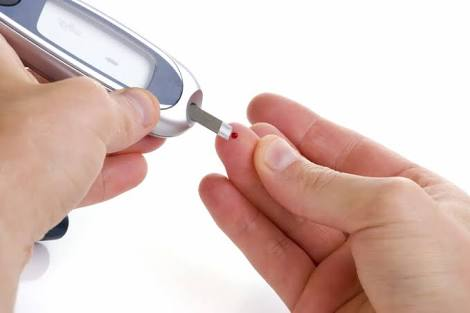
The raised blood sugar levels that result from diabetes can cause a wide range of serious health issues. When people have diabetes, the body either does not make enough insulin or cannot use what it has effectively. As a result, the amount of sugar in the blood becomes higher than normal.
Blood sugar is the main power source for the human body. It comes from the food people eat. The hormone insulin convert glucose into fuel. Diabetes may
cause complications in the circulatory system, which can lead to heart attack and stroke.
Diabetes can damage large blood vessels, causing macrovascular disease.
It can also damage small blood vessels, causing what is called microvascular disease. Microvascular disease can
cause eye, kidney, and nerve problems.
Excess blood sugar decreases the elasticity of blood vessels and causes them to narrow, impeding blood flow.
When people have diabetes, they can develop nerve damage because the blood vessels can not supply enough oxygen.
Nerve damage usually happens some 25 years or more after diagnosis. The most common form is peripheral neuropathy which causes pain and numbness in toes, feet, legs, and arms.
Over time, high blood sugar levels damage blood vessels in the kidneys. This damage prevents the kidneys from filtering waste out of the blood.
According to the National Institute of Diabetes and Digestive and Kidney Diseases, diabetes is one of the major
causes of kidney disease.
Diabetes is the most frequently identified cause of gastroparesis. This is a condition that causes the stomach to slow the movement of food into the small intestine.
A person with gastroparesis may experience symptoms such as nausea, abdominal pain, and acid reflux.
Gastroparesis may cause: nausea, vomiting, acid reflux, bloating, abdomen pain and weight loss
Diabetes can interfere with the body's ability to send and implement responses to sexual stimuli. It can cause erectile dysfunction in men. If you have
diabetes, you can manage it by monitoring your glucose level and working closely with your health providers.
Labels:
Abdominal pain,
Acid reflux,
Blood vessels,
Circulatory system,
Diabetes,
Gaatroparesis,
Glucose,
Heart attack,
Human body,
Insulin,
Microvascular disease,
Sexual Stimuli,
Smal intestine,
Stroke
Subscribe to:
Posts (Atom)


