Chiklita ad

Showing posts with label Growth hormone. Show all posts

Thursday, 15 February 2018

Hormonal imbalances can cause excess weight in different parts of the body


Latest research shows excess weight may gather in certain areas regardless of how much you diet or exercise, as a result of hormone imbalances. Lifestyle, diet and genetics play a part. Human bodies evolved to react to danger by producing the stress hormone cortisol, to trigger the release of energy for the ‘fight or flight’ response. Excess cortisol sparks the release of energy in the form of fat and glucose. This is redeposited as fat round the waist.

Eat little and often to keep blood sugar levels stable, as fluctuations can trigger cortisol release.  Eat foods with a low glycemic load, such as apples, wholegrain bread or cashews, which slowly release energy. Too much oestrogen can cause fat to build in the buttocks and thighs. Those fat cells manufacture more oestrogen, and, in turn, more fat is stored. Drinking too much alcohol means the liver can’t clear oestrogen from the blood.

Fat ankles are often the result of fluid retention, which can be caused by a lack of progesterone. Progesterone acts as a diuretic, flushing excess liquid from the body. Bulging calves may be made worse by low levels of human growth hormone, which seems to prompt fat storage in the legs.

Foods rich in vitamin E may boost progesterone. These include sunflower seeds and peanut butter. Reduce sodium intake as this is key in regulating blood pressure and fluid levels, which can help with water retention in the legs and ankles. Avoid processed food such as ready meals. And to boost human growth hormone, get plenty of sleep-HGH is only released at night in adults.

A chubby face, as well as a flabby neck, could be down to too little thyroxine, a hormone produced by the thyroid gland. An underactive thyroid slows the metabolism, which may cause bloating. Another symptom is a swollen neck, called goitre, where the thyroid gland becomes a visible bump. Taking a supplement with selenium, which helps body use thyroxine more efficiently.

Human produces a hormone called DHEA (dehydroepiandrosterone), which is converted into testosterone-DHEA helps build lean muscle mass. When testosterone levels drop too low, muscle mass can be replaced with fat-this is noticeable on the upper arms, which have large muscles.
Women's testosterone levels drop with age, peaking in their 20s, then halving by menopause, but certain foods can help. Consume more protein, such as fish, eggs, tofu and nuts. Zinc, magnesium and vitamin B6 also promote testosterone production.

The rolls that hang over the back of your bra could be because of low levels of human growth hormone (HGH). During the night, women’s pituitary glands release human growth hormone, which stimulates fat cells to release energy to repair the body’s tissues. Too little HGH and fat cells don’t receive the message to convert fat into energy. Studies show adults who lack HGH often have a high level of body fat around the trunk, especially the back.

Melatonin-rich foods, such as raspberries, can increase HGH secretion by up to 157 per cent. Melatonin triggers the release of hormones that tell the body it’s time for sleep. Another study found foods high in the amino acid glutamine, such as yoghurt, can raise HGH production.
          haleplushearty.blogspot.com

Tuesday, 5 December 2017

Fat distribution increases the risk of heart attack


It's not the amount of fat in the body but where it's stored that may increase the risk for heart attack, stroke and diabetes. People of the same weight or body mass index (BMI) may have different risk profiles, based on genetics, lifestyle and diet. In addition, body composition differs between men and women, with women having proportionately more fat and men having more muscle mass.

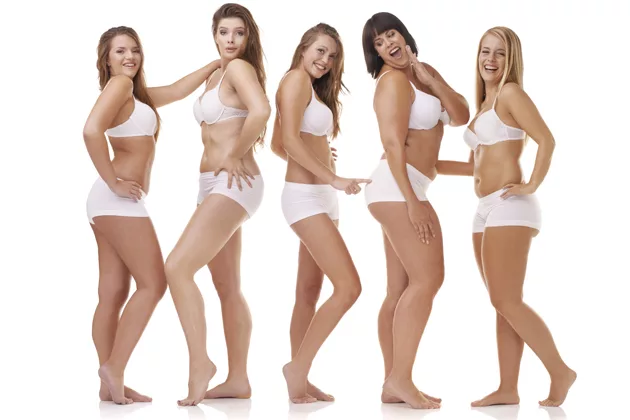
Fat distribution is an important determinant of cardiometabolic risk.  There are different body shapes, common descriptors of human body shapes, based on where fat tends to be stored in the body. In apple-shaped bodies, fat is distributed largely around the midsection, while in pear-shaped bodies, fat is distributed lower around the hips and thighs. The type of fat stored also plays a role in cardiometabolic risk. One type of fat-ectopic fat-is dangerous. It may be found in places such as the abdominal region, muscles, liver and other organs.

There are gender-based differences in body composition and ectopic fat depots and that these could be associated with gender-specific risk profiles for diseases like diabetes, heart disease and stroke, researchers examined overweight and obese men and women wit the same BMI who were otherwise healthy. After fasting overnight, the study participants underwent dual-energy x-ray absorptiometry (DXA) and CT scans to determine body composition, as well as magnetic resonance spectroscopy (MRS) for fat quantification and analysis.

The results showed that the women had a higher percentage of fat and more subcutaneous (below-the-skin) fat but lower lean mass, compared to men. However, men had more visceral adipose tissue (VAT), or ectopic fat depots located in the abdomen around the internal organs known as a "beer belly", and more ectopic fat in the muscles and liver. Obese men have relatively higher visceral fat, fat within muscle cells and liver fat, which are all risk factors for cardiometabolic disease, compared to women with the same BMI. However, men have higher muscle and lean mass, which are protective for cardiometabolic health.

Women have a higher relative amount of total body fat and higher superficial thigh fat, which is protective for cardiometabolic health. Compared to women, men had higher measures of cardiometabolic risk overall, but ectopic fat was not significantly associated with cardiometabolic risk in men. Ectopic fat in women, however, was strongly associated with cardiometabolic risk measures. The detrimental fat depots deep in the belly, muscles and liver are more damaging for cardiometabolic health in women compared to men.

The researchers looked at the relationship between sarcopenic obesity-or the loss of skeletal lean muscle mass in the presence of obesity and its relationship to cardiometabolic risk. Many factors can lead to sarcopenic obesity in young adults, particularly obesity and lack of exercise. Growth hormone helps to build muscle mass. Nutrition also plays an important role, and too little intake of protein can lead to muscle loss. The researchers studied  young, overweight and obese adults who were otherwise healthy.

Participants underwent DXA and CT scans and various metabolic tests. Results showed that having a lower lean muscle mass to BMI ratio was associated with cardiometabolic risk, and these effects were stronger in women than in men. Sarcopenic obesity may be an under-appreciated mechanism linking obesity to cardiometabolic disease.
          haleplushearty.blogspot.com