Chiklita ad

Showing posts with label Salmonella. Show all posts

Tuesday, 20 February 2018

Using smartphone app for detecting bacteria in food


Researchers have developed a smartphone app that alerts users of bacteria in their food using only a microscope attachment. There are very few methods for preventing food poisoning in part because testing for harmful bacteria such as E.Coli and salmonella requires specialized equipment and can take up to two days to show results.

 New technology from researchers at the University of Massachusetts Amherst changes that, delivering bacteria results in minutes using a smartphone app. Current methods for identifying bacteria associated with food poisoning are time-consuming because it is challenging to collect enough material.

The most common method involves rinsing potentially risky food, collecting small amounts of bacteria from the water and giving it 24 hours to multiply so there's enough to test.The tool developed at UMass uses a chemically-coated chip that binds to even the smallest amounts of bacteria. The university created a video showing how the prototype works: They rinse a potentially contaminated product with water and then place the chip into the water. Within half an hour, the microscope, which can attach to any type of smartphone camera, reveals the bacteria on the screen.

If you don't have the app, you can prevent food poisoning by: keeping the cooking area and your hands clean. Avoiding cross-contamination-raw meat, poultry, seafood and eggs can spread germs to ready-to-eat foods if not kept separate. Use separate cutting boards and plates when handling different foods. To cook food safely, the internal temperature must be high to kill the germs that could cause food poisoning-use a food thermometer.

Store foods properly-storing food properly is essential to combating harmful bacteria, expiration dates may not be accurate for some foods-strange smell or color may indicate that the food is not safe, frozen foods should be thawed in the refrigerator, in cold water, or in the microwave.
          haleplushearty.blogspot.com

Monday, 14 August 2017

Dietary fibre is good for the intestine


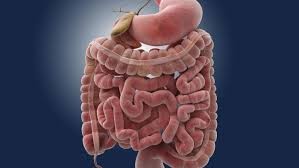
Gut microbes metabolize indigestible dietary fiber to produce short-chain fatty acids, which signal cells lining the large bowel to maximize oxygen consumption, thereby limiting the amount of oxygen diffusing into the gut lumen. We must feed the beneficial microbes in our intestines with dietary fiber to maintain healthy gut.

The beneficial gut bacteria that are able to breakdown fiber don't survive in an environment rich in oxygen, which means that our microbiota and intestinal cells work together to promote a virtuous cycle that maintains gut health.

The new research identified the host receptor peroxisome proliferator receptor gamma (PPARg) as the regulator responsible for maintaining this cycle of protection.

When this host signaling pathway malfunctions, it leads to increased oxygen levels in the gut lumen. These higher oxygen levels make us more susceptible to aerobic enteric pathogens such as Salmonella or Escherichia coli, which use oxygen to eliminate competing beneficial microbes.
          haleplushearty.blogspot.com


Tuesday, 18 July 2017

Exposing children to germs strengthen their immune systems


All germs are not bad, some germs stimulate immune system and strength them to fight diseases. Exposing children to clean environment only can leads to severely hyper sensitised immune system making the children vulnerable to allergies and neurodevelopmental problems.

Early exposure to germs strengthen immune system and teaches it how to control its reaction to daily germs present in the atmosphere. Scientists believe that without exposure to dirt and germs early in life, the immune system will not be able control its reaction to everyday invaders like dust.

According to researchers, pre- and postnatal pet exposure enriched the amount of two types of bacteria- Ruminococcus and Oscillospira that reduce allergies and obesity in children.

Giving children fermented foods like miso and natto also exposed them to bacteria, microflora in fermented foods produce a protective lining in their intestines and strengthen it against salmonella and E.coli.
          haleplushearty.blogspot.com